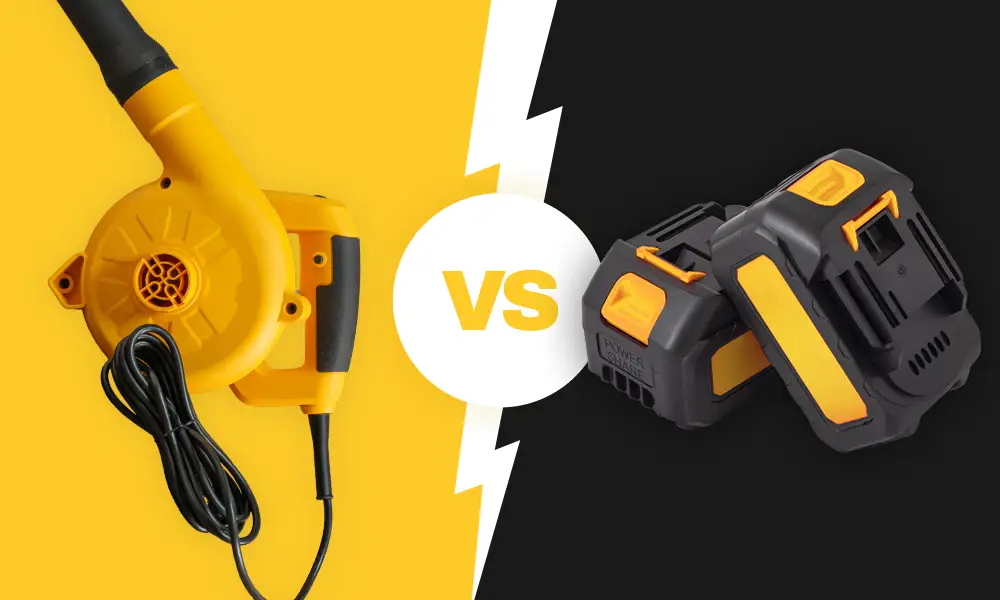
In a world obsessed with cordless everything, it’s easy to overlook the humble corded power tool. But walk into any serious workshop—whether it’s a home garage, a hobby shed, or a professional site—and you’ll still find corded gear front and centre. Why? Because when you need guaranteed performance, no downtime, and consistent results, corded tools quietly deliver day after day.
This new perspective dives into how these tools support productivity, why they outlast many cordless equivalents, and the simple habits that keep them performing at their peak.
The Resurgence of Corded Tools: Why Users Are Coming Back
Cordless tools are brilliant for mobility—but batteries introduce new limitations:
- Charge cycles
- Reduced performance as batteries age
- Unexpected downtime
- Expensive replacement cells
Corded tools remove all of that uncertainty.
Where They Shine
They outperform cordless tools in:
- Long-duration sanding, grinding, and shaping
- Bench work that requires high precision
- High-torque drilling into dense materials
- Continuous polishing, buffing, and cutting
- Hobby and craft tasks that need steady, reliable RPM
The Power-to-Weight Advantage
Cordless tools rely on heavy battery packs. Higher voltage = heavier weight.
Corded tools typically:
- Weigh less
- Offer more torque relative to size
- Stay cooler
- Provide better balance and fine control
For long sessions—such as preparing RC bodies, shaping timber, cutting metal, or fine-detail sanding—the reduced fatigue is a major productivity boost.
Safety Benefits Many Users Overlook
Corded tools eliminate:
- Battery overheating
- Battery swelling or fire risk
- Battery charging hazards
The only safety factor to manage is cord placement—simple and predictable.
Safe Cord Handling Tips
- Keep cords behind you or over a shoulder
- Use retractable reels or clips to keep cords elevated
- Inspect for cuts or compression monthly
- Replace cords at the first sign of damage—never tape them
Lifespan: Corded Tools Outlast Cordless Tools
They have fewer failure points. No batteries. Less circuitry. Longer operational life.
Common causes of tool failure include:
- Dust build-up
- Poor storage
- Loose brushes
- Moisture exposure
- Impact damage
All avoidable with good workshop habits.
Maintenance Practices for Long Tool Life
Clean Vents and Housings
Dust is the enemy. Clean with a brush or compressed air after every use.
Check Carbon Brushes
Worn brushes cause sparking, loss of power, and heat build-up. Replace at early signs of wear.
Store Correctly
Ideal conditions:
- Dry shelves or tool cabinets
- Elevated storage (never on concrete)
- Avoiding damp sheds or uninsulated vans
Protecting Cords
Wrap cords loosely to avoid internal damage. Never coil tightly around the tool.
Accessory and Blade Checks
Ensure blades, sanding pads, discs, and drill bits are secure before and after use.
Boosting Productivity with Corded Tools
Corded tools reduce downtime—no charging, no fading power, no interruptions. For professionals or hobbyists running long sessions, this translates into smoother workflows and cleaner results.
A hybrid workshop setup works best for many users:
- Cordless for mobility
- Corded for precision and endurance
When to Choose Corded Over Cordless
Choose corded if:
- You want long, uninterrupted runtime
- Precision matters
- You need maximum power with minimum weight
- You want tools that last 10–20 years
- You primarily work at a bench
Choose cordless if:
- You’re moving constantly
- You’re working outdoors or on roofs
- Convenience is the priority
Frequently Asked Questions
Why do professionals still use corded tools?
Because they provide consistent, uninterrupted power and superior endurance.
Do corded tools require less maintenance than cordless?
Yes. With no batteries and fewer electronics, maintenance is simpler.
What’s the biggest advantage for hobbyists?
Consistent RPM and torque—ideal for precision work.
Should I have both corded and cordless tools?
Yes. A hybrid setup gives you versatility and reliability.