When you’re setting up a workshop or upgrading your gear, it’s easy to get distracted by the newest cordless releases, big batteries, and flashy marketing. But for sheer reliability, raw strength, and nonstop performance, corded power tools still hold their place as the quiet achievers of the workshop.
Whether you’re a weekend hobbyist tuning up your RC cars, a DIY enthusiast tackling timber and metal projects, or a professional who needs consistency every single day, they offer a level of endurance that batteries simply can’t match.
This guide walks you through the must-know advantages of corded tools, how to use them safely, and the habits that will keep them running at peak performance for years.
Why Corded Power Tools Belong in Every Workshop
Uninterrupted Power
Unlike battery tools, corded options don’t slow down or fade as you work. No charging. No waiting. No battery swaps. Just plug in and go.
Maximum Torque and Speed
Because they draw power directly from the wall, they usually deliver higher wattage, maintain torque under heavy load, and run efficiently for extended periods. This makes them perfect for tough materials—steel, hardwood, concrete, plastics, resins and composite parts.
Better Value for Money
Cordless gear often becomes an investment in batteries, chargers, and replacements. Corded tools generally cost less upfront and last longer with proper care.
A Must-Have for Bench Work
Many workshop tasks happen in fixed locations. These tools deliver continuous, predictable performance—ideal for sanding, grinding, shaping, and detailed precision work.
Safety Precautions Every Workshop Should Follow
Personal Protective Gear (PPE)
Always wear:
- Safety glasses
- Hearing protection
- Gloves where appropriate
- Dust mask or respirator
Safe Work Environment
A clean workshop is a safe workshop. Ensure:
- The floor is clear of clutter and cords
- Lighting is bright and even
- Benches are stable
Cord Management
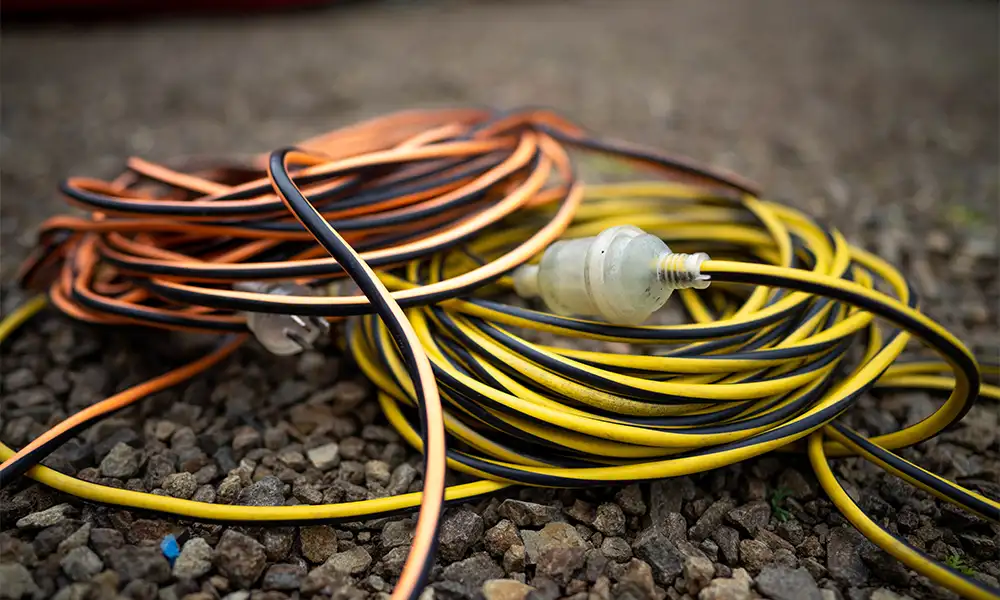
Cords cause more accidents than most people realise. Keep cords behind you, avoid placing them across walkways, and never yank a cord from a socket.
Start-Up and Shut-Down Checks
Before use:
- Inspect for visible damage
- Check vents and housings
- Ensure accessories are tight
After use:
- Turn off and unplug
- Allow to cool
- Store them properly
Maintenance Tips to Keep Corded Tools Running Smoothly
Cleaning After Every Use
Dust and debris build-up reduces performance and causes overheating. Wipe the tool down after each session, clear vents, and remove metal shavings or sawdust.
Prevent Rust
Wipe away moisture, treat rust early, and avoid leaving tools on cold concrete floors or in damp areas.
Handle and Housing Checks
Inspect screwdrivers, hammers, chisels, and similar tools for splinters or mushroomed heads. File or sand down damage to prevent breakage.
Proper Storage
Best practices:
- Store tools in a toolbox or shelving system
- Keep them off the ground
- Protect cords from pinching or bending
Check Moving Parts
Brushes, bearings, and switches need routine inspection. Replace worn components early to avoid expensive repairs.
Frequently Asked Questions
Are corded power tools still worth buying if I already own cordless tools?
Yes. They offer continuous power and higher torque.
How do I keep cords from getting damaged?
Keep them away from blades, heat, and tight bends. Never yank the cord to unplug.
How often should I clean my tools?
After every use.
What’s the biggest mistake people make?
Poor storage, leading to rust, electrical damage, and reduced lifespan.