
While ploughs are traditionally associated with agriculture, they are also widely used on construction and civil sites across Western Sydney. From early-stage ground preparation to trenching and landscaping works, ploughs offer controlled soil disturbance without the need for larger earthmoving machinery.
Service Overview
Ploughs often operate alongside tractors and cultivators, which also require regular servicing to maintain consistent performance across demanding site conditions.
Across areas such as Kemps Creek, Penrith, the Hawkesbury and surrounding semi‑rural suburbs, construction ploughs are commonly used to support:
- Early-stage site preparation
- Landscaping works on commercial and residential developments
- Trenching and ground opening for services
- Soil loosening prior to grading or compaction
Common Construction Uses for Ploughs
On construction and civil sites, ploughs are typically used to:
- Break up compacted soil before turf or landscaping installation
- Assist with trench preparation for irrigation, drainage or cabling
- Prepare ground on rural or semi‑rural developments
- Support final-stage site works where heavy machinery would be excessive
Due to tough ground conditions, dust, and extended operating hours, construction ploughs experience accelerated wear on blades, points, bearings, hydraulics, and frames.
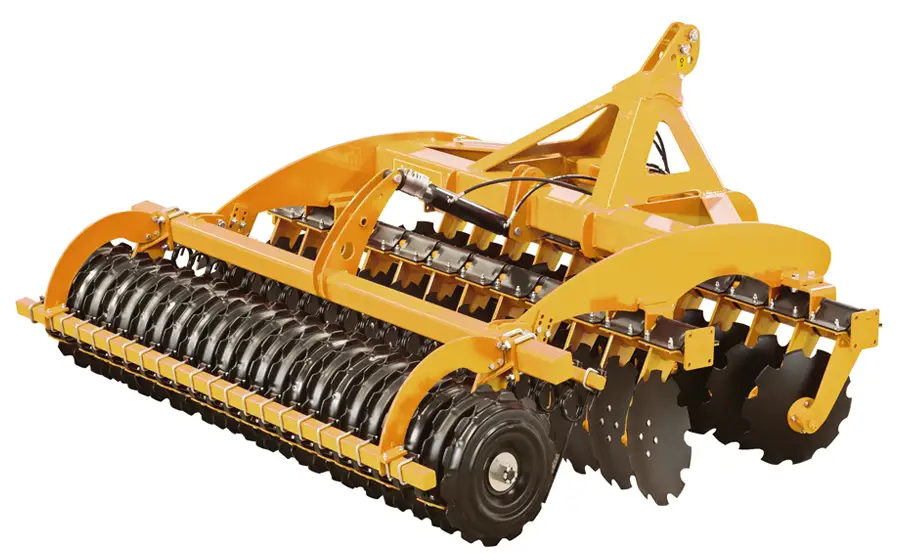
Why Maintenance Matters on Construction Sites
Construction environments place significant strain on ploughs and attachments.
Equipment often operates in:
- Compacted or mixed-fill soils
- Dry, abrasive conditions
- Stop-start workflows that increase mechanical stress
Without regular inspection and servicing, minor faults can escalate into breakdowns that delay site progress and increase costs.
Maintenance Contracts vs Standalone Repairs
Some construction operators prefer scheduled maintenance to reduce the risk of downtime during key project phases. Others opt for standalone, pay‑as‑you‑go repairs when plough use is intermittent or project‑specific. Both approaches are common across Western Sydney construction sites. The right option depends on:
- Frequency of plough use
- Project timelines
- Site conditions
- Age and condition of the equipment
What matters most is ensuring maintenance is addressed before failures occur, as delays on construction sites are costly. In some cases, similar equipment is used across rural and land management applications, where agricultural plough repairs may also be required depending on usage.
Bottom Line
Whether ploughs are used daily or only at certain stages of a build, keeping them well maintained is essential for construction and civil projects across Western Sydney. Planned servicing and responsive repairs both play a role in minimising downtime and keeping works on schedule.
Frequently Asked Questions
What problems can occur with construction ploughs?
Common issues include worn blades, alignment problems, hydraulic faults and structural damage from heavy use on site.
Can plough repairs be done onsite?
Yes. Many repairs can be completed onsite depending on the issue, helping reduce downtime and keep projects moving.
How do I know if my plough needs repair or replacement?
If performance drops, parts are worn or damage is visible, a technician can assess whether repair is viable or if replacement is the better option.